
Home / Well Repair & Maintenance
Well Repair, Maintenance, & Rehabilitation
Service
Repair & rehab
Wells
Home, farm, & commercial
Permits
Handled for you
Emergency
Troubleshooting
Six Signs Your Well Needs Attention
Low Flow
Weak pressure at every tap can mean a clogged screen, a worn pump, or a water level that has dropped in the well. A flow test tells us which one you are dealing with.
Sand or Sediment
Grit in the toilet tank or plugged faucet screens can point to a failing screen, a damaged casing, or a pump hung too close to the bottom of the well.
Sputtering or Air in the Lines
Faucets that spit and cough can mean the water level is falling to the pump intake, a leak on the suction side of a jet pump, or gas coming out of the water.
Discolored Water
Orange, brown, or black water usually traces back to iron, manganese, or iron bacteria. Iron is common in shallow wells around Okeechobee. Cloudy water after a heavy rain can mean surface water is getting in.
Pump Short-Cycling
A pump that clicks on and off every few seconds is wearing itself out. The usual culprit is a waterlogged pressure tank or a bad pressure switch.
Rotten-Egg Smell
That sulfur odor is hydrogen sulfide. It is common in Florida wells and can also come from bacteria in the well or the water heater. Shock chlorination is often the first step.
Diagnosis First, Parts Second
01
Hear the History
02
Test the Equipment
03
Test the Well
04
Lay Out the Options
Well Jetting & Cleaning
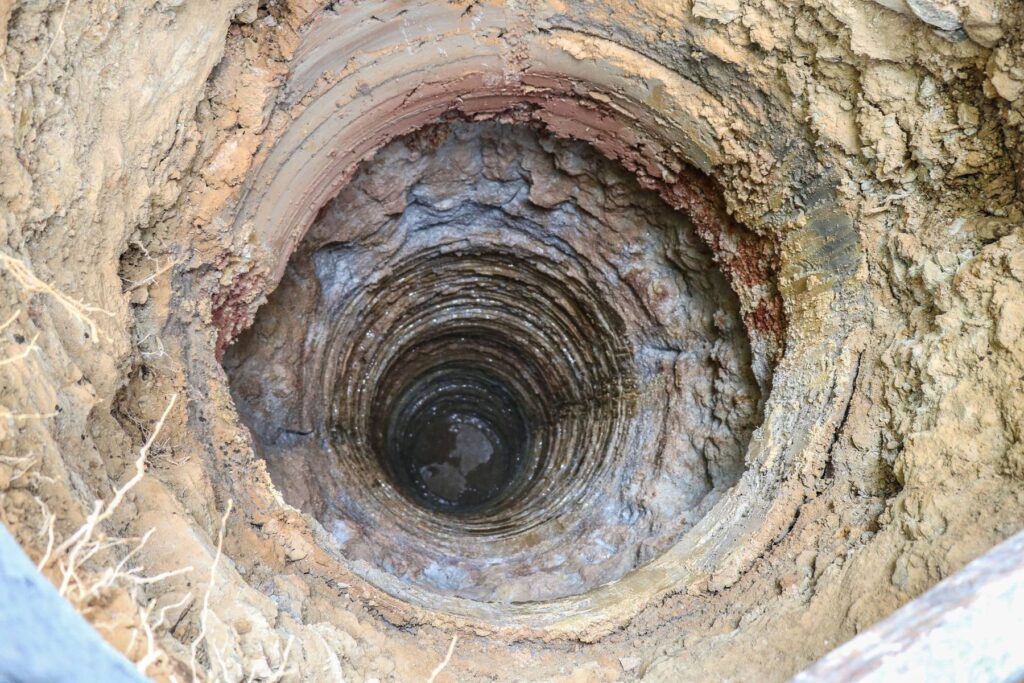
Jetting drives high-pressure water through the screen or open borehole to break that buildup loose. Then we pump the loosened material out until the well runs clear. For heavy scale or bacterial growth, jetting is paired with a cleaning treatment and a full disinfection. When cleaning does the job, it usually costs far less than drilling a new well.
- Flow that has slipped slowly over months or years
- Sand or cloudy water from a well that used to run clean
- Rust-colored slime or staining from iron bacteria
- Older wells that have never been cleaned
- Irrigation and farm wells ahead of the dry season
Okeechobee County Wells
Iron Bacteria & Mineral Buildup
United States Geological Survey studies found high iron in the surficial aquifer across parts of Okeechobee County, enough to stain laundry and fixtures. The same work noted that iron bacteria can clog the screens of wells drilled in those high-iron zones.
Iron bacteria are not considered a health threat, but they feed on dissolved iron and build a sticky, rust-colored slime. That slime plugs screens, coats pump intakes, and fouls pipes, and it steadily chokes a well’s production if nobody deals with it.
- Orange or reddish-brown slime inside the toilet tank
- Rust stains that come back soon after cleaning
- A swampy or oily odor, sometimes with a rainbow sheen on standing water
- Flow that declines a little more every year
The fix usually combines cleaning the well and shock chlorination. Where iron keeps returning, a filtration system keeps it out of the house. Learn more about water testing and treatment.
Shock Chlorination & Disinfection
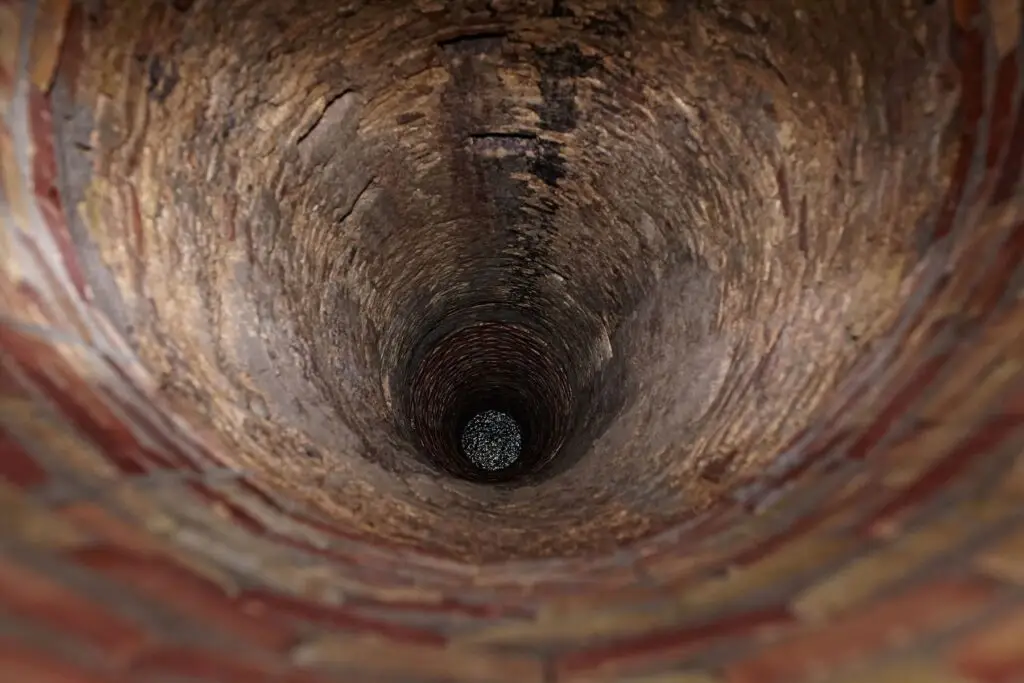
Any time a well is opened, bacteria from the surface can ride in on tools, pipe, and wire. Shock chlorination knocks them out. We mix a strong chlorine solution into the well, circulate it through the plumbing so every line gets treated, and give it time to work.
Then we flush the system until the chlorine is gone, sending that water away from your septic drainfield and plantings. The final step is a bacteria test by a state-certified lab to confirm the disinfection worked.
Shock chlorination is also the usual first move against a sulfur smell or iron bacteria. If bacteria return after a proper shock, surface water is likely getting in somewhere, and we track down the leak. A sulfur smell that keeps coming back calls for ongoing water treatment instead.

Was Your Wellhead Underwater?
Wellhead & Casing Repair
Florida construction rules call for the casing on a private well to stand at least 12 inches above finished grade with a watertight seal against surface water, and a well that is not in use must be capped watertight. Plenty of older wells fall short. Casings get clipped by mowers and trucks, buried under fill, or left with loose caps that let insects, frogs, and runoff inside.
We repair or extend damaged casing, swap cracked caps for sanitary well caps that seal tight, and correct wellheads that were buried or poorly sealed. Florida requires a permit before a well is repaired or modified. Not every service call counts as a well repair, so we tell you up front whether yours does. When it does, we file the permit before work starts and send the completion report to the permitting office within 30 days of finishing.
Problems We Fix at the Wellhead
- Cracked, loose, or missing well caps
- Casing cut off at or below ground level
- Wellheads buried in pits or under fill
- Corroded, cracked, or leaking casing
- Unsealed openings around wires and pipe
- Missing or torn vent screens
- Unused wells that should be plugged for good
Well Inspections That Catch Problems Early
Annual Checkup
A yearly visit keeps a home well healthy. The Florida Department of Health also recommends testing private wells for bacteria and nitrate at least once a year, and again after repairs, flooding, or any change in taste, odor, or color.
- Pump pressure and cycling
- Tank air charge
- Wellhead, cap, and seal
- Bacteria and nitrate sampling
Home Purchase or Sale
Buying or selling a home on a well? We check the whole system so nobody gets surprised at closing. Florida health officials suggest buyers test for coliform bacteria, nitrate, and lead.
- Flow and pressure test
- Pump and tank condition
- Wellhead and casing check
- Water sampling
Commercial Maintenance Programs
Farms, nurseries, and facilities cannot afford surprise downtime. We schedule service for commercial and agricultural wells, track how they perform, and plan repairs before they turn into emergencies.
- Scheduled inspections
- Pump and motor performance
- Production trends over time
- 24/7 emergency service
Honest Advice
Repair or Replace? Here Is How We Decide
Repair Usually Makes Sense When
- The casing is sound and the well once produced well
- Flow faded slowly, which points to buildup that cleaning can remove
- The trouble is above ground: pump, switch, tank, or wiring
- Water quality can be fixed with disinfection or treatment
- The well meets today’s setbacks from septic systems
A New Well Is the Better Buy When
- The casing is corroded, cracked, or collapsing
- The well keeps making sand even after cleaning
- The water zone no longer yields enough for your needs
- A drinking water well sits within 75 feet of a septic tank or drainfield
- Repair bills keep stacking up year after year
If a new well is the right answer, we drill it and properly plug the old one, with both permits handled.