
Home / Solar Well Pumps
Solar Well Pumps
Systems
New & conversions
Ag & commercial
Statewide
Estimates
Free
Payment
Financing available
Off-Grid Water
How a Solar Well Pump Works
Around Okeechobee, plenty of good well sites are nowhere near a power pole: a pasture well far back from the road, a camp in the palmetto scrub, a construction trailer on raw land. Trenching power out there is expensive, and a generator needs fuel and someone to start it. A solar pump simply goes to work when the sun comes up. If the whole property will run without grid power, our off-grid water systems page shows how the pump, storage, pressure, and treatment fit together.
01
Solar Panels
02
Controller
03
Pump
04
Storage Tank
Where Solar Pumping Earns Its Keep
Homes & Cabins
Rural homes and weekend cabins that sit off the grid or far from service. With storage and a pressure system, solar can supply the whole house.
Ranches & Livestock
Cattle need water every day in every pasture. Solar keeps troughs and stock tanks full without anyone driving out to start a generator.
Construction Sites
Water for dust control and site needs before permanent utilities arrive. Add a portable tank to put the water where the crew is working.
Remote Irrigation
Drip lines for groves, nursery beds, and food plots far from a meter. Pumping peaks when the sun is strongest, which is when plants drink the most.
Hunting Camps
Water for the cabin, the camp shower, and the feed plots, pumped quietly by the sun instead of a generator that needs fuel hauled down a sand trail.
Backup During Outages
After a storm knocks out power, a solar pump goes back to work as soon as the sun comes out. That makes it a practical backup supply for a home or barn.
Converting an Existing Well to Solar
Whether a conversion makes sense comes down to a handful of measurements. We take them on site before we recommend anything.
What We Evaluate
- Well depth and the level the water stands at inside it
- Casing diameter and condition
- How much water you use each day, and at what times
- Distance and rise from the well to the tank, trough, or house
- A sunny, shade-free spot for the panels
- The existing pump, wiring, and tank
If the well itself needs repair or modification, Florida requires a permit, and we take care of it. If the well is past saving, we can drill a new one and plug the old one properly.
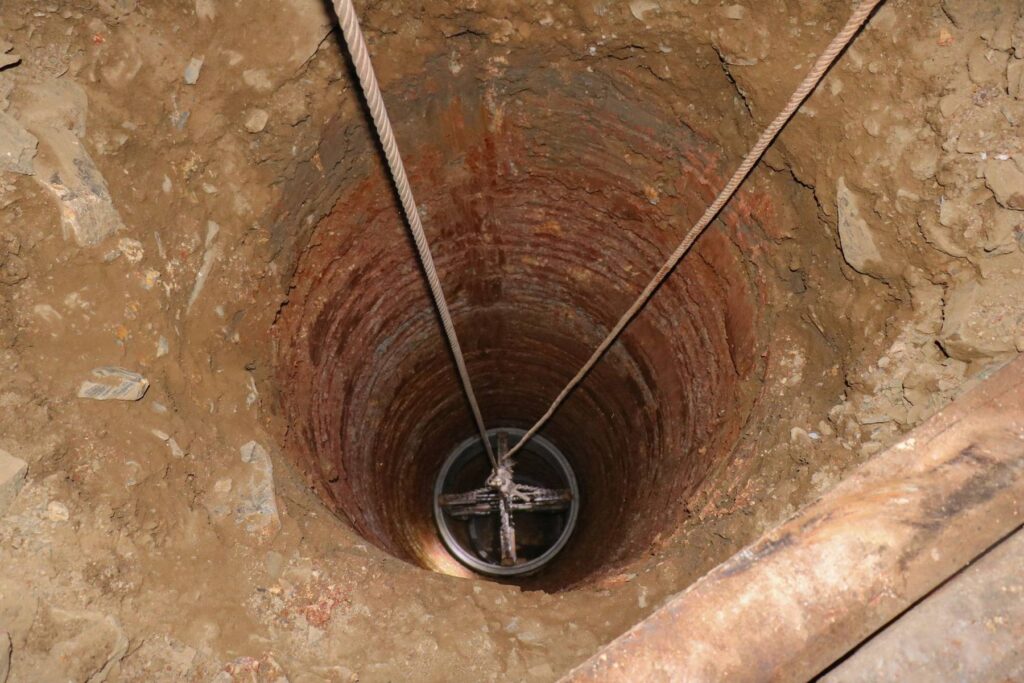
Storage for Nights & Cloudy Days
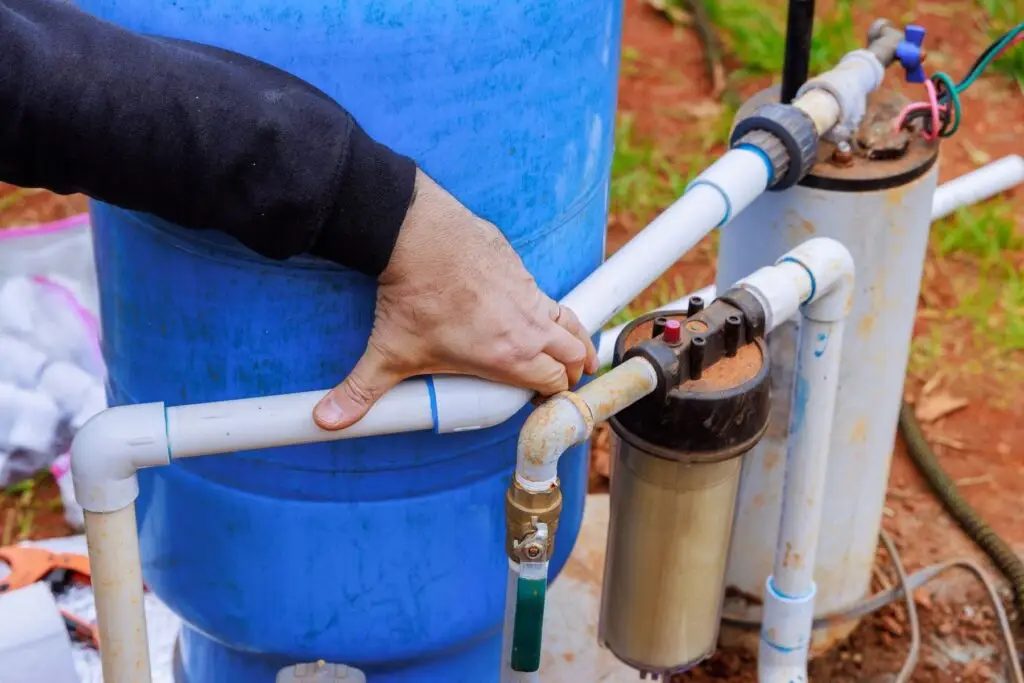
Florida summers bring afternoon thunderstorms, and winter brings the occasional gray week. We size storage by how many days of water you want in reserve, not by guesswork.
- Storage tanks: polyethylene or concrete tanks hold the reserve and feed by gravity or through a small pressure pump.
- Troughs and float valves: for livestock, a float valve keeps the trough topped off from the tank.
- Pressure systems: for homes, a pressure tank and booster deliver normal pressure from stored water.
Built to Run Unattended
Why Owners Switch to Solar
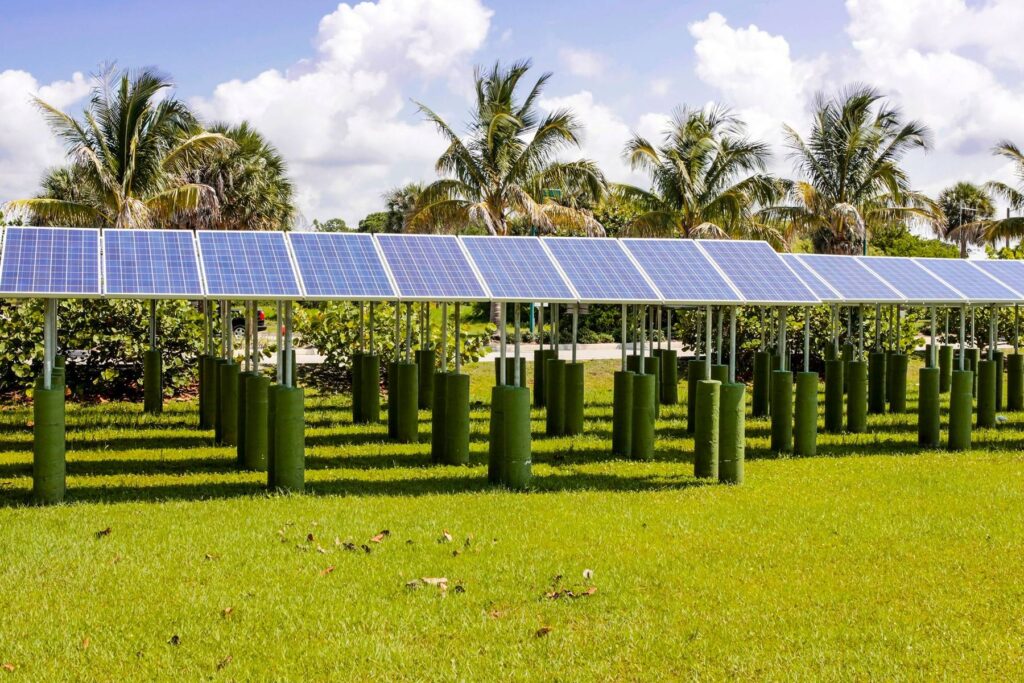
Upkeep is light: keep the panels clean and out of the shade, look over the connections and float controls now and then, and give the pump in the well the same occasional service as any other well pump.
- No power bill at the wellhead
- No fuel runs and no generator to maintain
- No trenching or utility hookup for a remote well
- Few moving parts and little routine upkeep
- Quiet operation around livestock, homes, and camps
- Water keeps coming when the grid goes down
- Room to grow: add panels or storage later
Solar or Windmill?
Solar Pump
- Runs anywhere with sun, no wind required
- Pumps hardest on hot, bright days, when cattle and crops need the most
- Electronic controls with automatic shutoff
- Panels can sit away from the well in the best light
- Needs storage to cover nights and cloudy spells
Windmill
- Pumps day or night whenever the wind is steady
- Fully mechanical, with no electronics to fail
- Needs open exposure, clear of trees and buildings
- The tower stands directly over the well
- Needs regular oiling and periodic pump work