
Home / Agricultural Well Drilling
Agricultural Well Drilling for Florida Farms & Ranches
Well sizes
2″ to 24″
Built for
Irrigation & livestock
Permits
Handled for you
Emergency
Cattle · Dairy · Citrus · Cane
Farm Water From a Farm-Country Company
Farm wells work harder than home wells. They run for long stretches, move far more water, and often sit a long way from the nearest power line. We size the well, the pump, and the storage to your acreage, your crop or herd, and the aquifer under your land, then build it to hold up season after season.
We serve ranches, groves, and dairies across Okeechobee and the surrounding counties, and we travel statewide for agricultural jobs big and small. Nurseries, golf courses, and landscape operations are covered on our commercial well drilling page.
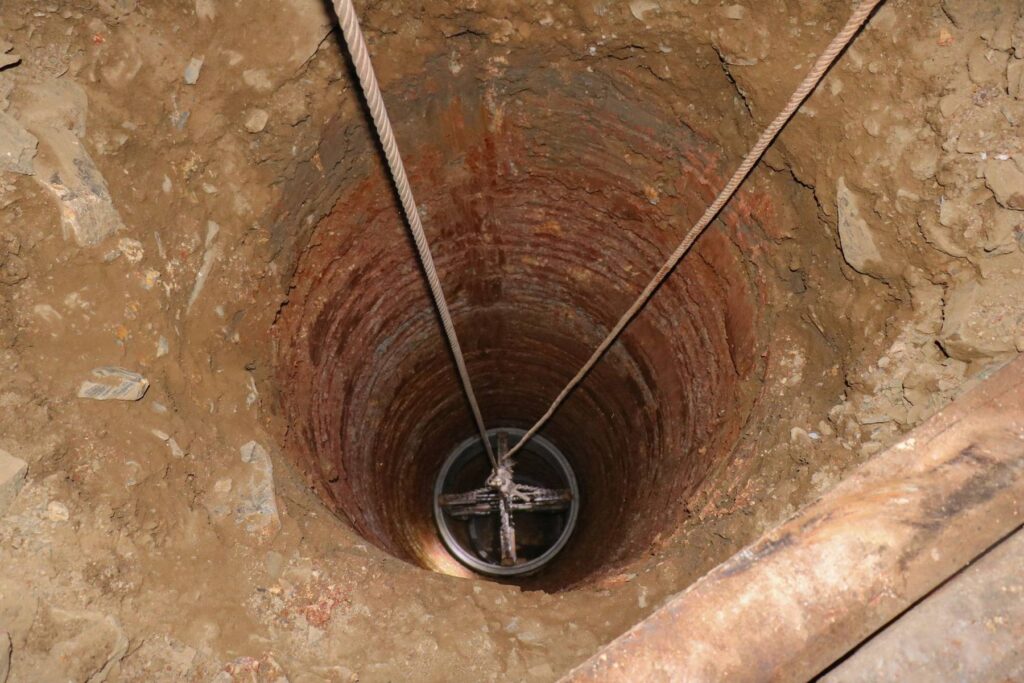
Cattle Ranches
Stock water spread across big pastures, often far from any power source.
Dairies
Steady, heavy demand for drinking water, wash-down, and cooling, every day of the year.
Citrus Groves
Irrigation wells and pumps that keep micro-irrigation running through the dry spring months.
Sugarcane & Row Crops
High-volume field irrigation for the stretches when rainfall falls short.
Irrigation Wells: Surficial or Floridan?
Surficial Aquifer
The shallow layer of sand, silt, and shell that USGS identifies as the most widely used drinking water source in Okeechobee County.
- Depth: USGS found local wells commonly finished at about 30 to 60, 100 to 140, or 180 to 240 feet.
- Yield: roughly 10 to 400 gallons per minute per well, depending on location, according to USGS.
- Water: usually fresh, though high iron is common in parts of the county.
- Best fit: stock water, smaller irrigation zones, and farmhouses, at a lower drilling cost.
Floridan Aquifer
The deep limestone aquifer. USGS reports that farms in the county rely on it heavily for irrigation and livestock.
- Depth: most Floridan wells in the county run 750 to 1,200 feet, with casing set 300 to 500 feet down. In the northeast of the county they often stop at 600 to 700 feet to stay out of brackish water.
- Yield: USGS reports Upper Floridan wells typically make 50 to 1,500 gallons per minute, and Lower Floridan wells up to about 6,500.
- Water: ranges from marginally potable to brackish, so we test before you plan a crop around it.
- Artesian flow: some Floridan wells flow on their own, and Florida law requires a valve that controls the discharge.
Livestock Water That Keeps Up With the Herd
Pasture & Barn Wells
We put wells where the animals need water, not only where drilling is easy, with grouted casing and a sealed wellhead that keeps runoff out of the aquifer.
Troughs, Floats, & Tanks
Troughs with float valves, plus storage tanks that carry the herd through a pump repair or a run of cloudy days on a solar system. On remote pasture, a windmill can keep stock tanks and livestock ponds filled using nothing but the wind.
Water Quality Checks
High iron, sulfur, or salt can put animals off their water. We test new wells and recommend treatment or a different water zone when the results call for it.
High-Volume Pumps & Storage
We match the pump to the well diameter, the depth to water, and the pressure your irrigation or watering system needs. Then we add storage, so a short outage, a controller fault, or a scorching afternoon does not leave crops or cattle dry.
- Submersible pumps for deeper wells and steady pressure
- Centrifugal pumps for high-volume transfer and irrigation
- Jet pumps for small, shallow stock wells
- Solar pumps for pastures with no power
- Permanent storage in concrete or polyethylene tanks
- Portable tanks for seasonal or temporary water
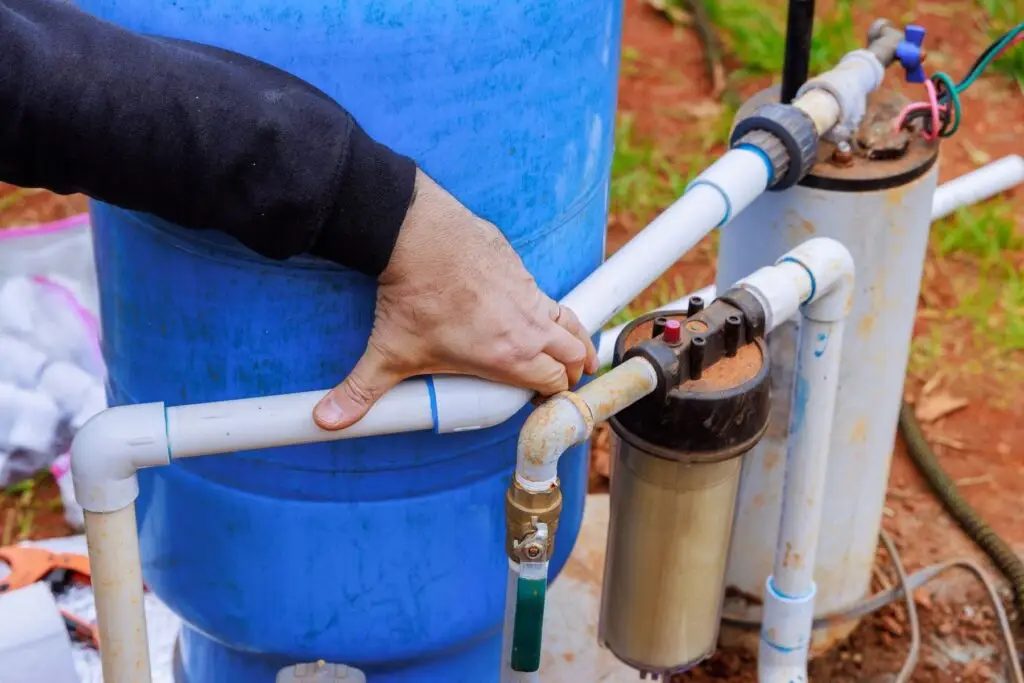
Off-Grid Water
Solar & Windmill Pumping for Remote Land
Solar Well Pumps
Panels drive the pump through a controller, and a storage tank covers nights and cloudy stretches. We install new systems and convert existing wells.
Windmills & Ag Solar
Few contractors still install farm windmills. We install, repair, and maintain them, and set up agricultural solar for pumps, electric fencing, and greenhouse lighting.
Planning water for a remote pasture, a hunting camp, or a homestead far from the power lines? Our off-grid water systems page covers the whole setup, from the well and pump power to storage and pressure.
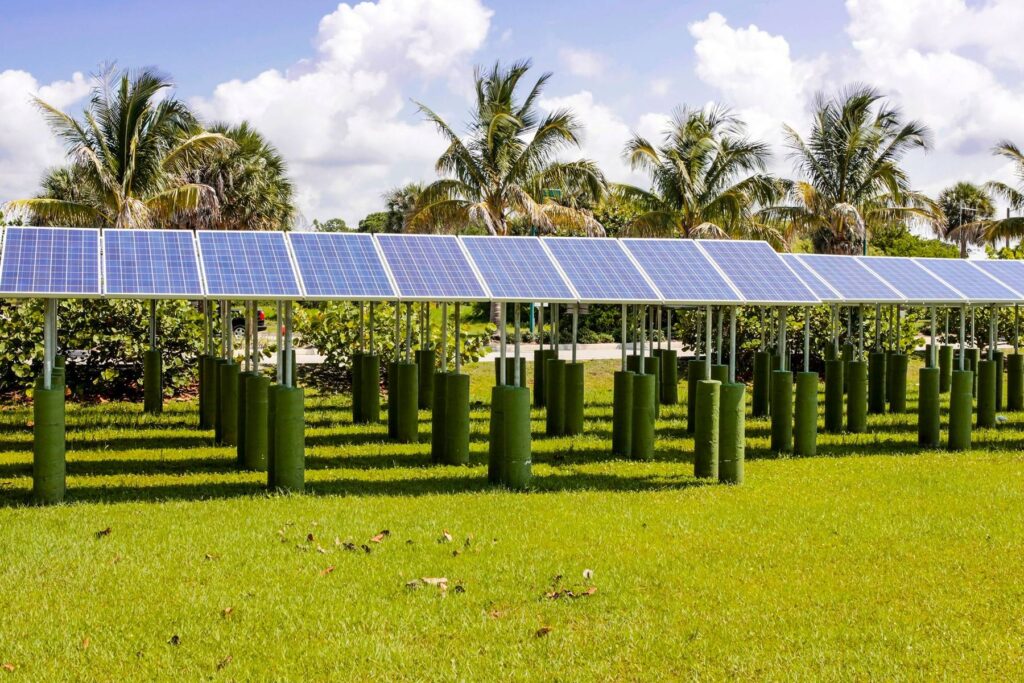
Permits, Water Use, & Cost-Share
Every new well in Florida needs a well construction permit, and so does any repair or abandonment. We prepare and file it with the water management district or the county health department office that issues permits for your county.
Agricultural irrigation usually needs a water use permit too. That one comes from the water management district, and it covers your right to use the water rather than how the well is built. We help you or your consultant pull together the well information the application requires. Our permit FAQs cover the common questions.
- Well construction permit prepared and filed for you
- Water use permit coordination for irrigation withdrawals
- Completion report filed within 30 days, as Florida requires
- Control valves on flowing artesian wells, as state law requires
NRCS Cost-Share May Help
The USDA Natural Resources Conservation Service runs programs such as EQIP that can help eligible producers pay for conservation practices. Those can include wells, pumping plants with solar pumps, and livestock watering facilities.
In Highlands County, NRCS Florida has helped fund a well, a solar pumping plant, and watering facilities for a farm.
You may qualify. Start with your local NRCS office, and we will provide equipment details and an estimate for your application.
Maintenance & 24/7 Emergency Service
Pre-Season Checkups
Pump, motor, controls, and tank inspections before the dry months, when demand peaks.
Flow Restoration
USGS notes iron bacteria can clog well screens in high-iron parts of Okeechobee County. Jetting and cleaning can often restore the lost output.
Pump & Motor Repair
Diagnosis, then repair or replacement, for submersible, centrifugal, jet, and solar pumps.
24/7 Emergency Calls
Cattle out of water or an irrigation pump down? Call any hour, any day of the week.