
Home / Water Pumps & Tanks
Well Pump & Pressure Tank Installation, Repair, & Replacement
No Water? Call Us 24/7
Pumps We Install
The Right Pump for Your Well
Submersible Pumps
A sealed pump and motor hung down in the well, below the water. It pushes water up instead of pulling it, runs quietly, and handles deeper wells and bigger demand. A common pick for home wells.
Jet Pumps
Mounted above ground, often right beside the pressure tank. A jet pump lifts water by suction, which works where the water table sits close to the surface, as it often does around Okeechobee. Easy to reach for service.
Centrifugal Pumps
Made for high volume at modest pressure. We use them for irrigation, ponds, and transfer duty, and for moving water out of storage tanks on farms and job sites.
Solar Pumps
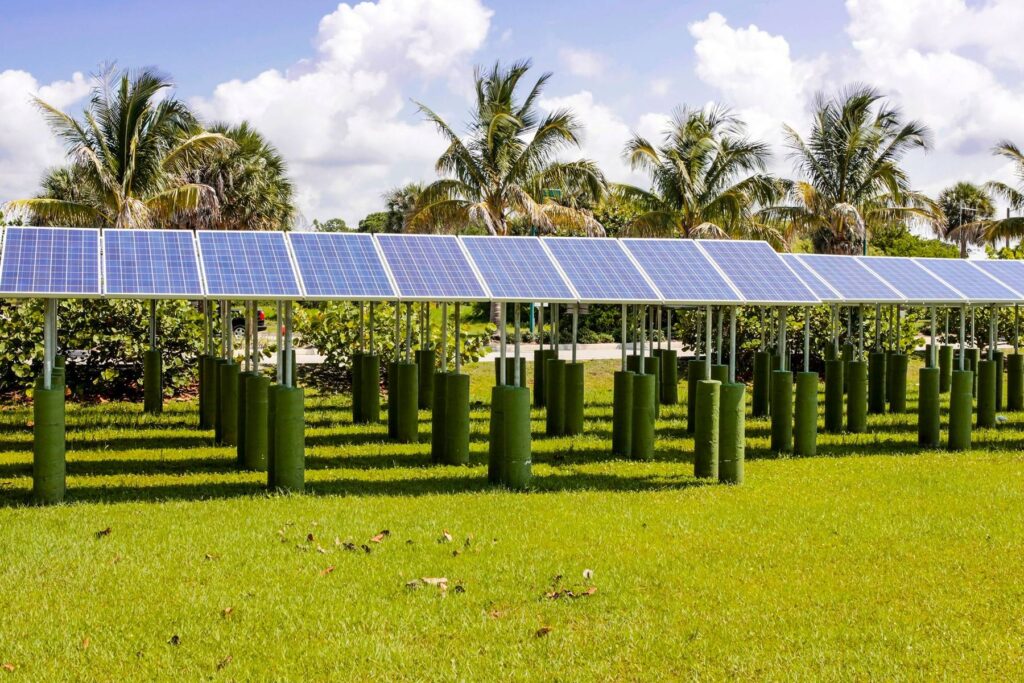
Powered by panels and a controller instead of the utility. A smart fit for pastures, camps, and job sites far from a power line, or for anyone tired of the electric bill.
Pressure, Storage, & Portable Tanks
A pressure tank holds a cushion of pressurized water, so the pump can rest between cycles instead of kicking on every time someone opens a tap. With the tank sized right and its air charge set correctly, you get steady pressure and a pump that lasts. When the tank fails, the pump pays for it.
Storage tanks do a different job. They bank water from a slow well, a solar pump, or a windmill so it is there when demand peaks: morning showers, a herd at the trough, or a crew on a construction site.
Tanks We Install & Replace
- Pressure tanks: sized to your pump and household for steady pressure and fewer pump starts.
- Concrete storage tanks: heavy, long-lived permanent storage for farms, ranches, and large properties.
- Polyethylene storage tanks: lighter, rust-free permanent storage that is simple to place and plumb.
- Portable tanks: movable storage for job sites, seasonal grazing, and short-term needs.
Warning Signs
Is Your Pump or Tank on the Way Out?
Weak or Swinging Pressure
Showers that fade and surge, or a gauge that swings widely, point to a worn pump, a failing switch, or a tank problem.
Rapid Clicking On and Off
Short-cycling is the classic sign of a waterlogged pressure tank. Every extra start takes life out of the motor.
A Pump That Never Shuts Off
A pump that runs and runs may be worn out, fighting a leak, or unable to reach its cut-off pressure.
Spitting Faucets
Air in the lines can mean the water level is dropping to the pump, or a leak on the suction side of a jet pump.
A Jump in the Power Bill
A pump that works harder for the same water burns more electricity. A sudden spike on the bill is worth a look.
Noises & Tripped Breakers
Humming, grinding, or a breaker that keeps tripping often means a motor, capacitor, or control box is failing.
Sand, discolored water, or a slow decline in flow over the years? That usually points to the well itself, not the pump. See well repair and maintenance.
Troubleshooting & Repair
Pump Motors & Wiring
We test the motor, wiring, and splices from the surface before anything gets pulled. If the pump has to come up, we inspect the drop pipe, check valve, and wire while it is out of the well.
Pressure Switches
Burnt contacts, a plugged sensing tube, or the wrong settings cause a lot of no-water calls. When the switch is the real problem, it is one of the least expensive fixes there is.
Controls & Capacitors
Capacitors, relays, control boxes, and solar controllers wear out with age, and Florida heat and lightning speed that along. We test each part and replace only what has failed.
Waterlogged Tanks
When a tank’s bladder fails or loses its air charge, the pump short-cycles. We recharge the tank if it is sound and replace it if it is not.
Replacement & Upgrades
An aging pump that has already been repaired more than once, or one that was undersized from day one, is worth replacing on your schedule instead of during an emergency. We match the new pump to your well’s depth and yield and to the way you use water today.
- Efficiency: a correctly sized pump and tank use less power and start less often.
- Capacity: added bathrooms, a sprinkler system, livestock, or a new shop may need more water than the old pump can give.
- Solar conversion: many existing wells can switch to solar power, cutting the electric bill and working far from any power line. We size the panels, controller, and pump to the well’s depth, your daily use, and your storage.
- Water quality: a new pump is a good time to test the water and add treatment if it needs it.
Pump & Tank Maintenance
What a Checkup Covers
- Pressure readings and switch cut-in and cut-out settings
- The power the pump motor draws while running
- The tank’s air charge, tested and reset
- Pressure switch contacts and sensing tube
- Wiring, control box, and grounding
- Wellhead, cap, and seals
- Leaks, rust, and tired fittings
- A check on when your water was last tested
Running a farm, nursery, or commercial site? Ask about scheduled service for your pumps, tanks, and wells. Learn more on our commercial and agricultural pages.
Our Commitment
We Stand Behind Our Work
Every pump and tank we install is sized for your well and tested before we leave. We show you where the breaker and shutoffs are, explain what we installed, and leave you a number that answers around the clock. If something is not right, call us.
- Licensed & Insured
- Family-Owned Since 1984
- Financing Available
- Se Habla Español