
Home / Water Testing & Treatment
Well Water Testing & Treatment
Systems
Homes & businesses
Estimates
Free
Payment
Financing available
Language
Se habla español
Know Your Water
Common Florida Well Water Problems
Rotten-Egg Smell
Hydrogen sulfide gas is the usual cause. It is rarely a health threat, but it makes water taste foul, tarnishes silver, and can corrode plumbing when levels run high. If you smell it only from the hot tap, the water heater may be the source.
Orange & Brown Stains
Dissolved iron stains sinks, toilets, and laundry at levels as low as 0.3 ppm. USGS research in Okeechobee County found high iron in parts of the shallow aquifer. In those zones, iron bacteria can also clog the well itself, a job for well cleaning.
Hard Water & Scale
Calcium and magnesium picked up from Florida limestone leave white crust on fixtures, spots on glassware, and scale inside your water heater. USGS rates water above 120 mg/L as hard and above 180 mg/L as very hard. Hard water is not a health risk.
Tea-Colored Water
Tannins leach from decaying leaves and roots and show up most in shallow wells. The yellow tint is cosmetic, but nobody wants to fill a tub with it.
Bacteria & Nitrate
You cannot see, smell, or taste either one. Bacteria can enter through a damaged wellhead or floodwater, and nitrate can come from fertilizer, septic systems, or livestock.
Salty or Brackish Water
Chloride runs higher near the coast and in some deep Floridan wells. The South Florida Water Management District remaps where saltwater meets fresh groundwater in St. Lucie, Martin, and other coastal counties every five years.
What a Well Water Test Covers
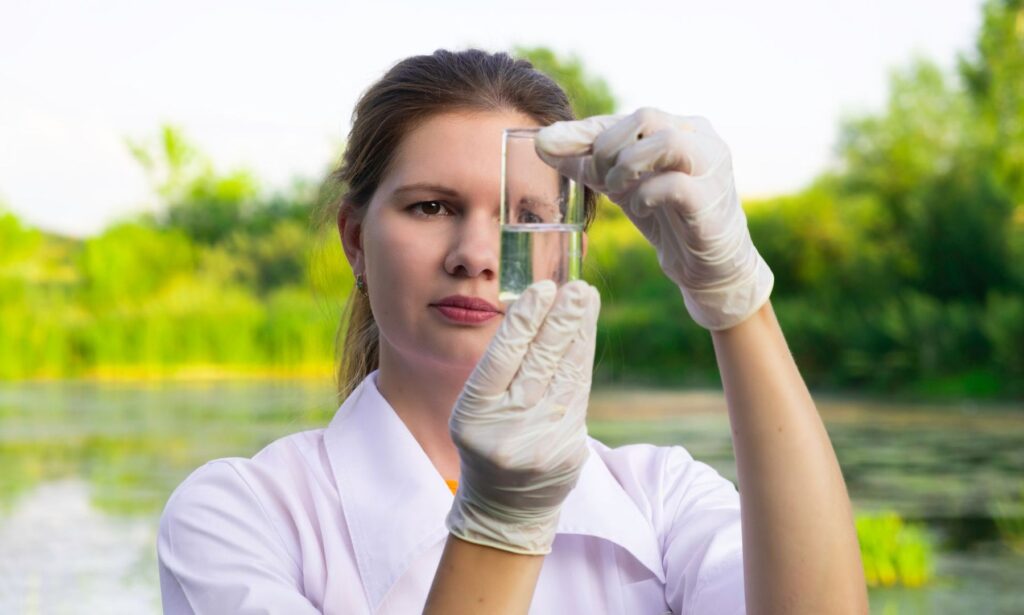
The Florida Department of Health strongly recommends testing a private well for bacteria and nitrate at least once a year, and again after any repair, any flood, or any change in how the water tastes, smells, or looks. Florida does not require testing for a well that serves a single-family home, so that responsibility sits with the owner. We make it easy.
What We Look At
- Coliform and E. coli bacteria
- Nitrate and nitrite
- Iron and manganese
- Hardness (calcium and magnesium)
- Hydrogen sulfide
- pH and corrosiveness
- Tannins and color
- Chloride and dissolved solids
When to Test Your Well
Every Year
Bacteria and nitrate at minimum, following Florida Department of Health guidance. Pick a month and make it a habit.
After Well Work
A new pump, a repair, or any time the well is opened. The well should be shock chlorinated, flushed, and then tested.
After a Flood or Storm
Floodwater over the wellhead can carry bacteria into the well. Use bottled or boiled water until a bacteria test comes back clean.
When Something Changes
A new odor, a cloudy glass, an off taste, or fresh stains mean something changed in the aquifer or in your system.
Buying or Selling a Home
The Department of Health suggests buyers test for coliform bacteria, nitrate, and lead before closing on a home with a well. We also handle well inspections for home sales.
Lead Every Three Years
University of Florida IFAS guidance, citing the state health department, suggests most well owners check for lead every three years.
Treatment Systems We Install
Water Softeners
Ion exchange pulls out the calcium and magnesium behind scale and spotting. We size the unit to your measured hardness and daily use, so it regenerates only as often as it has to.
Iron Filtration
Oxidizing filters turn dissolved iron into particles and trap them before they reach a fixture. The right media depends on your iron level and whether manganese or sulfur is along for the ride.
Sulfur & Odor Removal
Shock chlorinating the well is often the first step. When the smell keeps coming back, aeration or oxidation filtration strips the hydrogen sulfide out before it reaches your taps.
Sediment Filtration
Sand, silt, and grit wear out valves, clog aerators, and shorten the life of every stage behind them. A sediment filter up front protects the whole system.
UV Disinfection
Ultraviolet light inactivates bacteria and other microorganisms without adding chemicals. It needs clear water to work, so it usually goes last in line.
pH Correction
Acidic water pits copper pipe and leaves blue-green stains. A neutralizing filter or feed system raises the pH so the water stops eating your plumbing.
Tannin Removal
A tannin-specific anion exchange resin clears tea-colored water. It is often installed alongside a softener. We still recommend a bacteria test first, since discolored water can have more than one cause.
Drinking Water Filters
When only the kitchen tap needs extra polish, an under-sink system handles drinking and cooking water without treating every gallon in the house.
Custom Treatment Plans Built From Your Results
01
Test
02
Review
03
Design
04
Install & Retest
Treating Water for a Business or Farm?
Installed Right, Kept Running
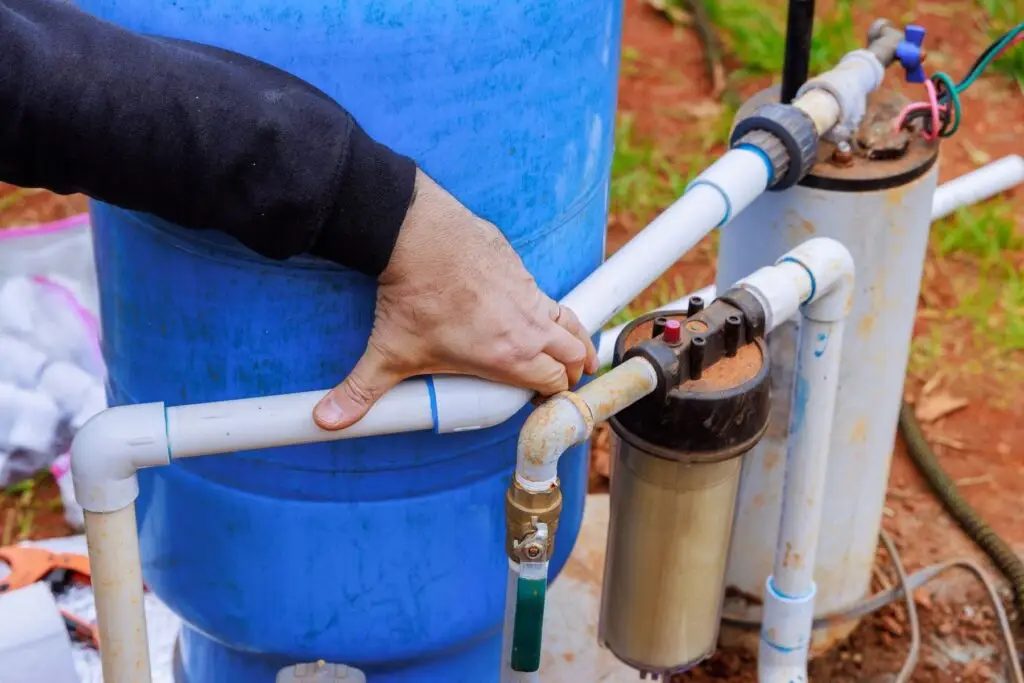
A treatment system works only as well as it was installed. We plumb in a bypass so equipment can be serviced without shutting off the house, run proper drain lines for backwashing and regeneration, program each control valve to your water use, and flush everything before we leave.
Then we stay with it. Softeners need salt, filter media wears out, cartridges load up, and UV lamps fade with age. We can take care of the upkeep, or show you exactly how to handle it yourself.
Routine Care We Handle
- Softener salt levels checked and resin cleaned when needed
- Filter cartridges and media replaced on schedule
- UV lamps replaced and quartz sleeves cleaned
- Control valves reset when your household or water use changes
- A yearly water test to confirm the system is still keeping up
The Payoff
What Treated Water Does for You
Benefits You Will Notice
- Known water quality: you know what is in your glass because it was tested, not guessed.
- Better taste and smell: no sulfur odor in the shower and no metallic bite in your coffee.
- Clean fixtures and laundry: no more orange rings in the toilet or rust-tinted whites.
- Longer equipment life: less scale in water heaters, dishwashers, washing machines, and pipes.
- Less bottled water: fewer cases to buy, haul home, and throw away.
- Less scrubbing: soap lathers, glasses dry clear, and showers stay cleaner longer.